Why Number Plate Security Matters More Than Ever for UK Drivers
I have been working in vehicle registration and fraud prevention for over a decade, and I can tell you that number plate cloning is no longer a rare problem. It is a daily reality for thousands of motorists, and the consequences can be devastating. One moment you are selling your car to a private buyer, and the next you are receiving penalty charge notices for a bus lane you never drove in. The real cost is not the fines themselves. It is the time, stress, and damage to your driving record that follow.
The heart of the issue is that a registration mark is just a piece of plastic or metal. Without proper number plate security, that mark can be copied by anyone with a printer and a few minutes to spare. The DVLA has tightened rules around number plate suppliers, but the supply chain still has weak points. Counterfeit plates are easy to produce, and once they are on a vehicle, the cloned identity can be used for months or even years before anyone notices.
So what does real number plate security look like? It goes beyond a tamper-resistant screw. It involves a network of checks that connect the physical plate to a verified registration record, and then to the person who owns that vehicle. That is where the concept of secure verification comes in. When a plate is issued through a trusted number plate supplier, the details are checked against the UK government database. But that is only the start. The ongoing protection comes from knowing that your vehicle registration is being monitored, and that you will receive real-time alerts if something looks wrong.
How Number Plate Cloning Actually Works
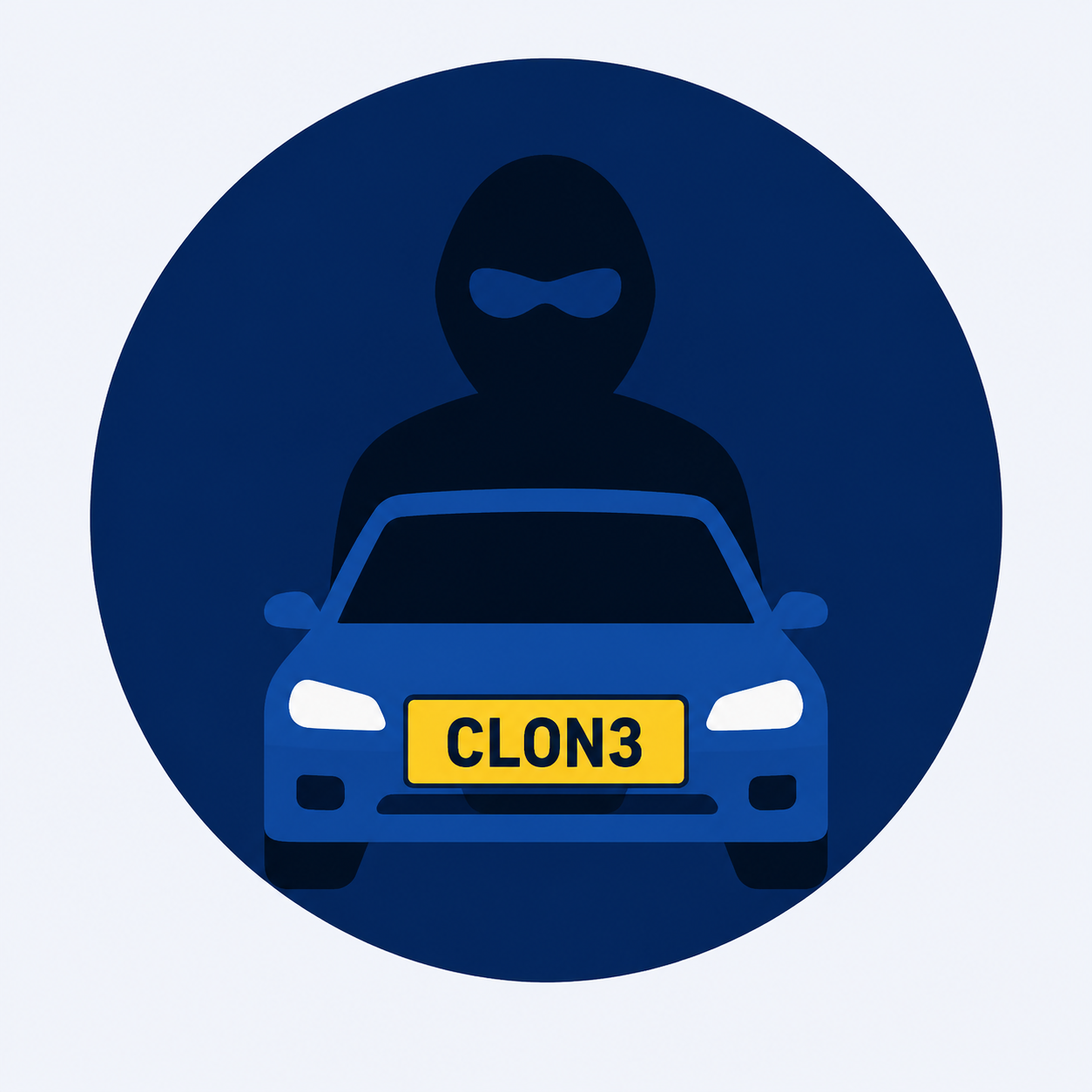
I once spoke to a driver whose car had been cloned three times in six months. The criminals used his registration mark on a nearly identical vehicle, same make, same colour, same model. They drove through London congestion zones, ran red lights caught by ANPR cameras, and even avoided fuel payments. The driver only found out when bailiffs arrived at his door. His V5C document was genuine, his plates were legal, but the system had no way to tell him that his identity was being used elsewhere.
This is the gap that proper number plate security fills. It is not enough to have a secure plate on your own car. You need a way to know if that plate is being used on another vehicle. The Police National Computer holds records, but it is reactive. It only flags a problem after an offence has been committed and a human officer compares the details. By then, the damage is done.

Automated plate recognition technology is now everywhere. ANPR cameras read your registration mark dozens of times a day, at tolls, at car parks, at traffic lights. The system assumes that the plate matches the vehicle. When it does not, the error is not caught until someone runs a full vehicle check. That is why proactive fraud prevention matters. Real-time alerts that tell you when your registration is used somewhere you are not, that is the difference between being a victim and staying protected.
The Role of the DVLA and the Supply Chain
The DVLA is responsible for driver and vehicle licensing, and it sets the standards for number plate suppliers. Since 2021, suppliers have been required to verify the identity of the buyer and check that the registration mark belongs to the vehicle. But the system still relies on honesty. If a supplier is careless or a buyer lies, counterfeit plates can still be produced. The number plate supply chain is only as strong as its weakest link.
I have seen cases where cloned plates were ordered online from a supplier who never asked for a V5C document. The buyer simply entered a registration mark and paid. The plates arrived by post, and the cloning began. That is why some experts argue that number plate security should include a physical check of the plate itself, not just the identity of the buyer. Holograms, watermarks, and tamper-evident materials are all used in other countries, but the UK has been slower to adopt them.
Secure verification is the missing piece. When a plate is issued, the supplier should register that plate against the vehicle in a central database. If a second supplier tries to issue the same registration mark for a different vehicle, the system should flag it immediately. That is the kind of fraud prevention that protects drivers before they ever see a fine.
What Drivers Can Do Right Now
If you own a vehicle, there are practical steps you can take to protect yourself. First, always buy plates from a physical supplier who checks your documents. Do not buy online from a seller who does not ask for your V5C. Second, check your vehicle registration record regularly. The DVLA lets you view your vehicle record online. If you see something you do not recognise, act quickly.
Third, sign up for a service that provides real-time alerts when your registration mark is used. This is where the concept of a vehicle registration verification network becomes useful. Instead of waiting for a letter from a debt collector, you get a notification the moment your plate is scanned by an ANPR camera somewhere it should not be. That gives you time to report it to the police and to the DVLA before the fines pile up.
Fourth, never sell your old plates with the car. Keep them or destroy them. A cloned plate often starts with a discarded plate that was left in a car during a test drive. Criminals photograph the plate, and the cloning is done within hours.
Identity Fraud and the Bigger Picture
Number plate cloning is a form of vehicle identity theft. It is not just about avoiding fines. Stolen plates are used in serious crime, from fuel theft to smuggling. When the police stop a vehicle, they run the plate through the Police National Computer. If the plate is clean, they wave the driver through. The real owner of that plate never knows that their identity was used to move stolen goods across the country.
The link between number plate security and identity fraud is often overlooked. But if your registration is cloned, your personal details can be linked to criminal activity. That can affect your insurance premiums, your credit score, and even your ability to sell the car later. A buyer who runs a vehicle check will see the history of the registration mark, not the history of the car itself. If that history includes offences from the cloned vehicle, the value of your car drops.
Secure verification is not just a technical term. It is a practical tool that connects the physical plate to the legal owner. When that connection is broken, fraud happens. When it is maintained, the system works.
The Future of Number Plate Security
The technology exists to make cloning much harder. Digital verification of every plate at the point of sale, integration with the DVLA database, and real-time alerts for owners are all available today. The challenge is adoption. Many drivers do not think about number plate security until they become victims. And by then, the damage is already done.
I believe the next step is for the UK government to require that every number plate supplier participates in a central verification network. That would close the loophole where a plate can be ordered without proof of ownership. It would also mean that when a plate is reported stolen or cloned, the system can flag it immediately to every ANPR camera and every police terminal in the country.

Until that happens, the responsibility falls on individual drivers. The small effort of checking your vehicle registration and signing up for alerts is nothing compared to the cost of dealing with cloned fines and identity fraud. Number plate security is not just about the plate on your car. It is about the system that protects the link between that plate and you.
I have seen too many cases where a simple alert could have saved months of stress. A driver receives a parking fine for a city they never visited. They call the council, prove they were somewhere else, and the fine is cancelled. But if the same plate is used repeatedly, the system treats each offence as a separate case. Without a way to link them, the driver ends up fighting each fine individually. That is where the real cost lies, in the time and energy spent proving your innocence.
Real number plate security is about prevention, not cure. It is about knowing that your identity is yours alone, and that no one else can use it without your knowledge. The tools are available. The question is whether we choose to use them.
Ends · GETNUMBERPLATESECURITYWIRE